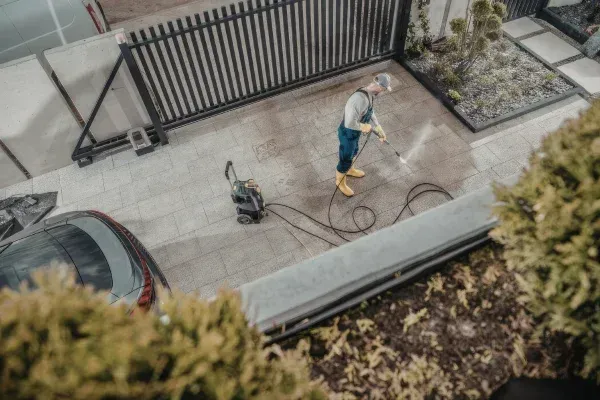
Pressure Washing vs. DIY Cleaning in Anniston: What Works Best?
If you’ve lived in Anniston for any length of time, you already know how quickly your home can go from looking fresh to… well, not so fresh. Between the humid Alabama climate, pollen-heavy spring seasons, and those sudden summer downpours, grime builds up faster than most homeowners expect. Your driveway starts to darken and becomes stained without regular driveway pressure washing, your siding looks dingy, and your garbage bins? Let’s just say they don’t smell like roses.
So here’s the question you’ve probably asked yourself: Should you tackle cleaning yourself, or is pressure washing the better option?
Understanding the Cleaning Challenges in Anniston
Anniston’s environment plays a huge role in how and why your home gets dirty. This isn’t just about aesthetics, it’s about maintenance and long-term property value.
Why Homes in Anniston Get Dirty Faster
Humidity: Moisture creates the perfect environment for mold, mildew, and algae.
Tree coverage: Beautiful, but it means more leaves, sap, and pollen landing on your surfaces.
Red clay soil: That classic Alabama clay can stain driveways, sidewalks, and even siding.
Rainstorms: Frequent rain spreads dirt and organic debris across surfaces.
If you’ve ever cleaned your driveway only to see it dirty again in a few weeks, you’re not imagining things. Anniston’s climate makes regular cleaning a must.
What Is Pressure Washing?
Pressure washing uses high-powered water jets to remove dirt, grime, mold, algae, and other contaminants from surfaces like concrete, siding, decks, and more.
It’s not just about blasting water. When done correctly, it’s a precise process that combines:
The right water pressure
Proper cleaning solutions
Surface-specific techniques
Done right, pressure washing can make your home look almost brand new again.
DIY Cleaning: What You’re Really Signing Up For
Let’s be honest, DIY cleaning can seem appealing at first. You save money upfront, you control the process, and there’s something satisfying about doing it yourself.
But here’s what most homeowners don’t realize until they’re knee-deep in the process.
The Pros of DIY Cleaning
Lower upfront cost
Flexibility to work on your own schedule
Basic cleaning tasks are manageable
The Cons of DIY Cleaning
Time-consuming: What you think will take a couple of hours can easily turn into an all-day job.
Equipment costs: Renting or buying a pressure washer isn’t cheap.
Risk of damage: Too much pressure can crack concrete, strip paint, or damage siding.
Inconsistent results: You might clean some areas well while missing others.
Safety concerns: Slippery surfaces, ladders, and high-pressure equipment can be risky.
DIY cleaning works for light maintenance, but when the buildup is serious, it often falls short.
Pressure Washing vs. DIY Cleaning in Anniston: What Works Best?
The Clear Winner for Deep Cleaning
When it comes to tackling the kind of buildup Anniston homes face, pressure washing consistently delivers better results.
Here’s why:
1. It Handles Anniston’s Tough Grime
Mold, mildew, and algae thrive in humid environments. Pressure washing removes these completely, not just on the surface.
2. It Saves You Time
Instead of spending your weekend scrubbing, pressure washing can clean large areas in a fraction of the time.
3. It Protects Your Home
Proper pressure washing techniques prevent long-term damage caused by organic buildup.
4. It Boosts Curb Appeal Instantly
Whether you’re hosting guests or thinking about selling, a clean exterior makes a huge difference.
Where DIY Cleaning Still Makes Sense
DIY isn’t useless, it just has its place.
You might want to handle things yourself if:
You’re doing light rinsing or maintenance
The area is small and easy to reach
There’s no heavy mold or staining
You already have the right equipment and experience
Think of DIY as upkeep, not a replacement for deep cleaning.
Surfaces That Benefit Most from Pressure Washing
Some areas around your home practically need pressure washing to stay in good condition.
Driveways and Sidewalks
Oil stains, dirt, and red clay buildup can make these look permanently stained—until they’re properly cleaned.
House Siding
Vinyl, brick, and other materials collect mold and mildew quickly in Anniston’s humidity.
Decks and Patios
Wood and concrete surfaces become slippery and unsafe without proper cleaning.
Garbage Bins
Let’s not ignore these. Dirty bins attract pests and create odors you don’t want lingering around your home.
The Hidden Costs of DIY Cleaning
At first glance, DIY seems cheaper. But when you add everything up, it’s not always the case.
What You Might End Up Paying For
Equipment rental or purchase
Cleaning solutions
Water usage
Your time (which is valuable)
Repairs if something goes wrong
And if the job doesn’t turn out well? You might end up needing professional cleaning anyway.
Safety Matters More Than You Think
Pressure washing isn’t just spraying water; it’s powerful enough to cause injuries or property damage if used incorrectly.
Common DIY Risks
Slipping on wet surfaces
Using ladders while handling equipment
Damaging siding or windows
Forcing water into places it shouldn’t go
This is one area where experience makes a big difference.
Environmental Considerations in Anniston
Local homeowners are becoming more aware of how cleaning methods impact the environment.
Pressure washing, when done correctly, can actually be more eco-friendly than DIY methods because:
It uses water efficiently
It minimizes chemical overuse
It prevents harmful runoff when handled properly
Keeping your property clean also helps reduce the spread of mold and allergens in your immediate environment.
How Often Should You Clean Your Home Exterior?
For Anniston homeowners, a general rule of thumb is:
Driveways & sidewalks: Once a year
House siding: Every 1–2 years
Decks & patios: Once a year
Garbage bins: Every 1–3 months
Because of the local climate, you might need to clean more frequently than homeowners in drier areas.
Signs It’s Time to Pressure Wash
Not sure if you need it yet? Look for these signs:
Green or black streaks on siding
Slippery surfaces on walkways
Dark stains on concrete
Lingering odors around bins
Dull or faded exterior appearance
If you’re noticing any of these, it’s time to take action.
Best Equipment Manufacturers for Pressure Washing
High-quality pressure washing equipment ensures durability, efficiency, and consistent performance, helping homeowners and professionals achieve superior cleaning results safely.
Simpson Cleaning
Known for powerful gas pressure washers, durable builds, and reliable performance for tough residential and commercial cleaning applications.Generac
Offers user-friendly pressure washers with strong engines, ideal for homeowners seeking dependable performance and ease of operation.Sun Joe
Popular electric pressure washers that are lightweight, affordable, and perfect for smaller residential cleaning tasks and maintenance work.Ryobi
Widely available and versatile, Ryobi pressure washers balance power, affordability, and convenience for everyday home cleaning projects.Karcher
Globally recognized for innovative cleaning technology, offering both electric and gas models designed for efficiency and long-term durability.
Why Experience Matters More Than Equipment
Even the best equipment won’t give you great results without the right technique.
Pressure washing requires understanding:
Surface materials
Correct pressure levels
Proper cleaning solutions
Safe application methods
This is where professional experience makes all the difference.
Our Team at Super Clean Bins Of Alabama
Our experienced team has spent years delivering reliable pressure washing services with professional care and attention. Choosing skilled experts ensures better results, prevents costly damage, and saves money over time. If you’re ready to get your project handled by trusted professionals, call us at 256-375-3530 and let’s get started.
Pressure Washing vs. DIY Cleaning in Anniston: Final Thoughts
At the end of the day, the choice comes down to what you value most—your time, your results, and the condition of your home.
DIY cleaning has its place for small, routine tasks. But when it comes to tackling the real challenges that come with living in Anniston, humidity, mold, clay stains, and heavy buildup, pressure washing is simply more effective.
If you want your home to look its best and stay protected year-round, it’s worth considering a professional approach.
Frequently Asked Questions
Is driveway pressure washing really worth it?
Yes, it usually makes a big difference. Over time, concrete driveways collect dirt, oil, grease, mold, and mildew that are hard to remove with basic washing. A proper pressure washing service can clean deep into the porous surface and remove stubborn stains that DIY methods often can’t handle. It helps your driveway look better and can slow down deterioration.
Can I use my own pressure washer instead of hiring professionals?
You can, but results may vary. A small machine from a store often lacks the pressure and proper nozzles needed for large areas. Without the right surface cleaner attachment or technique, you may leave streaks or even damage the top layer of the concrete. Professionals know how to adjust pressure, use the right solution, and achieve more even results.
Will pressure washing damage my driveway or patio?
It can if done incorrectly. Using too much pressure or the wrong spray direction can wear down the surface or cause etching, especially on exposed aggregate or pavers. That’s why professionals often use a lower setting or even low pressure with chemicals and proper dwell time to clean safely.
What kind of stains can pressure washing remove?
Most common stains like dirt, mold, mildew, grease, oil, and even some rust can be treated. For tougher stains, special chemicals like oxalic acid or bleach-based solutions may be used. Some deeply set oil stains in asphalt or old concrete may not fully come out, but you can still expect good results.
Do I need chemicals, or is water enough?
Water alone can clean light dirt, but for stubborn stains, mold, or grease, a cleaning solution is usually needed. Letting the solution sit (dwell time) helps break down the buildup before you rinse. Using the right mix is important so you clean effectively without harming plants or surrounding material.
How long does a typical pressure washing job take?
It depends on the size of the area and how dirty it is. A standard driveway or sidewalk job may take a couple of hours. Larger areas like a deck, patio, or multiple surfaces can take longer. Professionals work faster because they have better equipment and experience.
Is pressure washing safe for plants and nearby areas?
Yes, if done with care. Before washing, plants are usually wet with water to protect them. Then everything is rinsed again after the job. Professionals are careful with spray direction, chemicals, and runoff so your plants, grass, and nearby surfaces stay safe.
How often should I schedule driveway pressure washing?
Typically, once a year is enough for most homes. However, if your driveway is covered with heavy dirt, oil, or mold, you may need it more often. Regular cleaning helps keep the surface in good shape and can prevent long-term damage that’s harder to fix later.
Ready to Refresh Your Home?
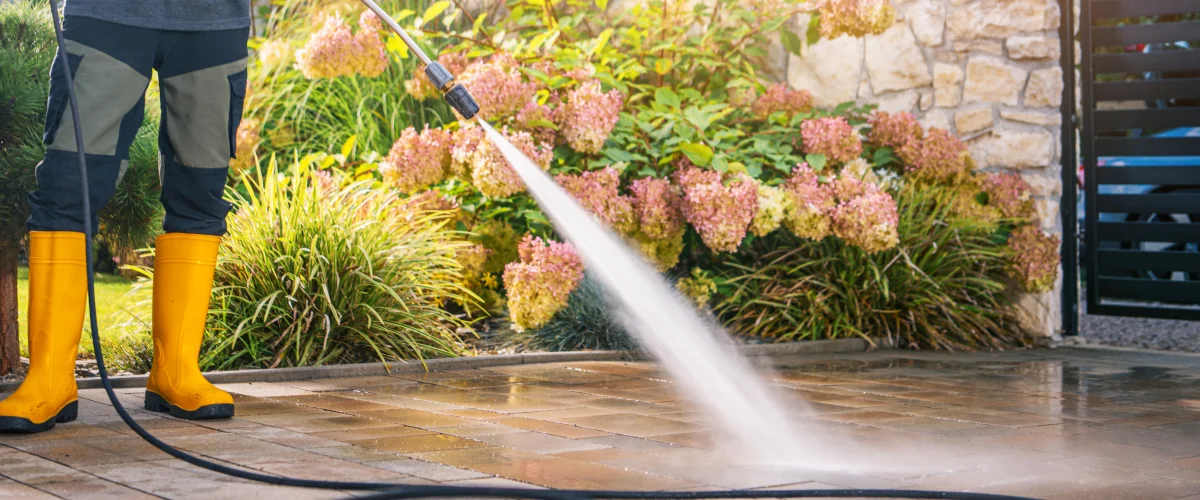
If you’re tired of battling dirt, stains, and buildup on your own, especially stubborn grime that calls for proper driveway pressure washing, you don’t have to keep doing it the hard way. A cleaner, fresher home is just one step away.
Contact us at 256-375-3530 and take the first step toward a cleaner, healthier property.